There’s something magical about restaurant dining. The carefully prepared dishes, the presentation, the flavors that seem impossible to replicate in your own kitchen. But what happens when you want to experience those meals more often without the price tag or the hassle of making reservations? That’s where the fascination with recreating restaurant dishes at home comes in.
As someone who runs a vintage bookstore with about a hundred cookbooks on hand, I’ve noticed a consistent interest in books that unlock the secrets of beloved restaurant meals. There’s a genuine hunger—both literal and figurative—to understand what goes into the dishes we love, and to bring those flavors into our everyday cooking.
While affordability is certainly a factor, the appeal runs deeper than that. People who are drawn to copycat recipes are often those who genuinely enjoy good food and want to know what’s involved in creating it. They’re curious about ingredients, techniques, and the “why” behind flavor combinations.
From my experience, the typical person interested in these cookbooks is someone who loves dining out and enjoys great food, but can’t justify the expense of eating at restaurants all the time. They want the experience without the premium price. But it’s not purely about budgeting—it’s about bringing joy and quality into their home cooking without breaking the bank.
One of the most important reasons people seek out these recipes is something that often gets overlooked: control over ingredients. When you’re cooking at home, you know exactly what’s going into your food. You can modify recipes for specific dietary needs that restaurants may not accommodate properly.
This is especially crucial for people with lactose intolerance, gluten sensitivity, food allergies, or other dietary restrictions. Restaurants have their standard recipes, and while they may offer alternatives, you can never be completely certain about cross-contamination or hidden ingredients. When you make the dish yourself, you have complete control. You can create the same beloved flavors while keeping your health and safety in mind.
There’s something compelling about vintage cookbooks that modern ones often can’t match. When I look at demand in my bookstore, the cookbooks that sell well aren’t always the newest releases. Older cookbooks—like the classic Betty Crocker recipes from the 1930s—tend to have higher demand than contemporary versions.
People trust recipes that have stood the test of time. There’s a nostalgia for simpler days, yes, but there’s also confidence in recipes that have been tested by generations of home cooks. They know these recipes work. They’ve been proven. That’s valuable in a way that a trending recipe on a food blog simply can’t replicate.
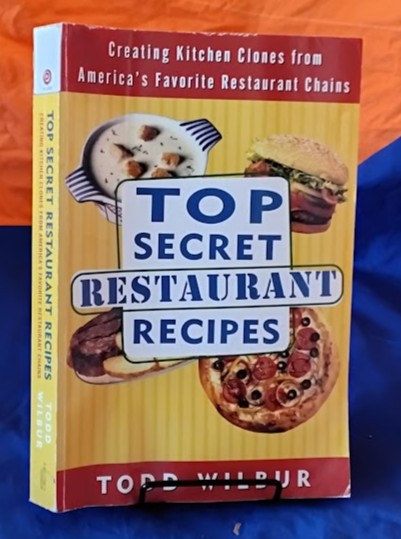
It’s true that in today’s world, you can search online and find countless copycat recipes instantly. You don’t need to own a cookbook or hunt through a bookstore to find what you’re looking for. The internet has democratized recipe access in a way that was unimaginable when Todd Wilbur first published “Top Secret Restaurant Recipes” in the 1990s.
But here’s the thing: the fascination with recreating restaurant dishes hasn’t diminished. If anything, it’s evolved. People still want cookbooks. They still want structured, trusted recipes. And they especially want vintage versions that come with that built-in credibility and nostalgia.
Some restaurant dishes transcend being just food—they become part of our cultural memory. Think of Olive Garden’s breadsticks or Chick-fil-A’s chicken soup. These aren’t just meals; they’re experiences tied to memories and traditions. People want to recreate them because they want to relive those moments, to share them with family, and to understand what makes them special.
The fascination isn’t really about copying corporate recipes. It’s about capturing something meaningful and making it accessible to ourselves and the people we love.
So why do we continue to be drawn to recreating restaurant dishes, whether we use cookbooks, online recipes, or food blogs? Because the desire to eat well, understand our food, and control what goes into our bodies is fundamental. The medium might change—from print cookbooks to websites to whatever comes next—but the desire remains.
People will always want to know what’s in their food. They’ll always want to recreate the meals they love. And they’ll always appreciate a trusted recipe that works, whether it comes from a vintage cookbook published decades ago or a source they can verify and rely on today.
The fascination with recreating restaurant dishes at home isn’t a trend that’s going to fade away. It’s rooted in our desire for good food, better health, and the simple pleasure of cooking something delicious for ourselves and the people we care about.

ExoWatts says:
Great content! Keep up the good work!