When most people look at a collection of vintage cookbooks, they see yellowed paper, outdated measurements, and unfamiliar flavor combinations. As a specialized bookseller, I see something entirely different: a living, breathing record of how our ancestors survived, celebrated, and structured their daily lives. Every grease-stained page and handwritten margin note tells a story that goes far beyond a simple list of ingredients. These volumes preserve the domestic wisdom of past generations, offering us a direct window into the changing realities of the human experience.
By exploring these texts, we do more than just read about the past; we can actively recreate it in our modern kitchens. The culinary landscape of yesterday was filled with clever shortcuts, highly efficient resource management, and rich flavors that have completely vanished from modern supermarket aisles. Bringing these elements back to life allows us to reconnect with our culinary heritage in a deeply tactile way.
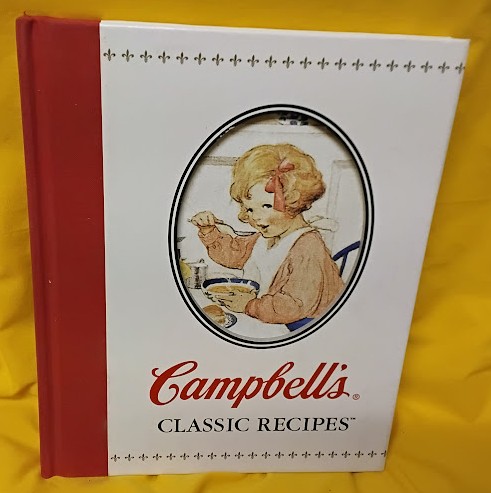
One of the greatest rewards of working with historical cookbooks is uncovering techniques that fell out of favor, not because they failed, but because technology changed the way we live. These methods highlight the incredible resourcefulness and profound physical intuition that defined historical kitchens.
Before the advent of digital, temperature-controlled ovens, home cooks relied entirely on sensory awareness, experience, and touch. Eighteenth-century texts reveal the intricate mastery required to control open hearths using specific types of wood to achieve different temperatures. Later nineteenth-century books introduce the wood-burning cookstove, where baking a simple loaf of bread required a continuous assessment of damper positions, ash levels, and internal drafts. Replicating the mindfulness of these methods today forces us to slow down and truly understand the physics of heat distribution in cooking.
Long before electric refrigerators became standard household appliances, cooks relied on a brilliant array of preservation techniques to keep food safe through the winter months. Historical cookbooks are rich with detailed guides on lactic fermentation, heavy-brine pickling, and the precise art of potting meats under a thick layer of clarified butter or lard. These methods did far more than extend shelf life; they developed deep, complex, and tangy flavor profiles that are completely missing from today’s highly processed, chemically preserved foods.
Historical recipes frequently surprise modern home cooks with their minimalism. When you strip away the stabilizers, pre-made spice blends, and highly refined ingredients of the twenty-first century, you are left with pure, honest flavors that rely entirely on ingredient quality and patience.
In the nineteenth century, a proper kitchen always had a stockpot simmering gently at the back of the stove. Recipes from this era emphasize the slow extraction of gelatin and flavor from bones, discarded vegetable trimmings, and tough cuts of meat. The resulting stocks were rich, velvety, and packed with nutrients. These liquids formed the foundational base for elegant, simple sauces that required nothing more than a bit of butter, a splash of cider, or a handful of fresh herbs to transform a basic dish into a feast.
Cookbooks published during times of economic hardship or wartime rationing, such as the global conflicts of the twentieth century, showcase the pinnacle of domestic creativity. These texts teach us how to make moist, flavorful cakes without eggs or butter, and how to stretch a tiny portion of meat into a satisfying meal for a large family using grains and root vegetables. Revisiting these recipes provides an invaluable lesson in sustainability and waste reduction for the modern home.
Tracing the shifts in popular ingredients across different centuries reveals how global trade, agricultural shifts, and industrialization altered the human palate over time. What we consider unusual today was often a standard staple in the kitchens of our ancestors.
Modern Western cooking often segregates spices like nutmeg, mace, cinnamon, and cloves strictly to sweet desserts. However, opening a seventeenth- or eighteenth-century cookbook reveals a world where these intense spices were aggressively paired with savory meats, fish, and heavy pies. The complex interplay of sweet, savory, and spicy elements was a hallmark of elite historic dining, offering a profile that is both startling and deeply satisfying to a contemporary palate.
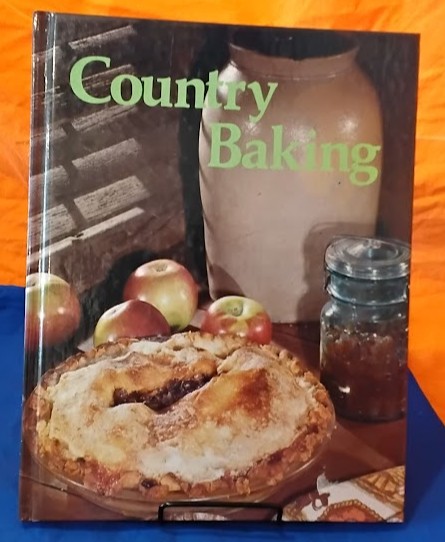
Early agricultural cookbooks and domestic manuals reference hundreds of varieties of apples, pears, potatoes, and field greens that have long since disappeared from commercial farming. These texts remind us that our ancestors enjoyed an incredible biodiversity of flavors, textures, and aromas. Reading about these forgotten varieties inspires a greater appreciation for modern heirloom seed preservation and local farmers’ markets.
If you are inspired to pick up a vintage cookbook and try cooking from its pages, a few practical adjustments will ensure your historical culinary adventure is a resounding success.
Collecting, selling, and cooking from historical cookbooks is far more than a nostalgic hobby. It is an act of active cultural preservation. Every time we recreate a forgotten dish or practice an ancestral kitchen technique, we honor the labor and intellect of the cooks who came before us, ensuring their hard-won knowledge isn’t permanently lost to time.